
eSIM Cards Explained Simply for Travelers and Everyday Phone Users
An eSIM card is a digital SIM embedded directly into a device, replacing the physical plastic card. Instead of inserting a chip, you download a carrier profile over the internet, which activates your connection instantly. This built-in design allows you to switch between mobile plans without swapping cards, making it ideal for travel and multi-line use. Its primary value lies in the convenience of managing multiple profiles directly from your device’s settings.
What Exactly Is an eSIM and How Is It Different From a Physical SIM?
An eSIM card is a tiny, embedded chip soldered directly into your phone, tablet, or smartwatch—no plastic to pop in or out. Instead of swapping physical cards, you download a carrier profile over Wi‑Fi or mobile data to activate a plan. A physical SIM is a removable card you insert into a tray, tied to that specific piece of plastic. With an eSIM, you can store multiple profiles and switch between them in your device’s settings—great for travel or dual‑line use. The main practical difference: what exactly is an eSIM comes down to flexibility and convenience, since you can add a new carrier in minutes without hunting for a store or waiting for a delivery. Physical SIMs still win if you upgrade phones often and want to just move the card over.
The Built-In Chip: Where Your Mobile Identity Lives
The built-in chip, often an eUICC, is physically soldered onto your phone’s motherboard, replacing the removable plastic card. Your mobile identity—the profile containing your number, carrier credentials, and authentication keys—is securely stored and managed directly on this embedded hardware. Unlike a physical SIM, you never touch or swap this chip; instead, you download and activate new carrier profiles over the air, making the chip the permanent home for your connectivity. This design frees up physical space and eliminates the risk of losing or damaging your SIM. The chip also supports multiple profiles simultaneously, though only one remains active at a time, offering practical flexibility without any hardware changes.
Where does your mobile identity physically reside on a device with an eSIM? Your mobile identity lives entirely on the embedded chip, a tamper-resistant component permanently fixed inside your device. There is no removable card to handle; all profile data and encryption keys are stored on this chip, ensuring your identity remains protected and portable across network switches without any physical insertion.
Physical SIM vs. Embedded SIM: Key Differences You’ll Notice
The most obvious difference you’ll notice is that a physical SIM is a removable plastic chip you can swap between phones in seconds, while an eSIM is soldered directly into your device’s motherboard. With an eSIM, you won’t fumble with a SIM tray or risk losing the tiny card. Instead, you’ll download a profile over Wi-Fi, which makes switching carriers or adding a second line feel like updating an app. Roaming gets easier too—no need to hunt for a local SIM shop. But if you change phones often, a physical SIM still wins for instant transfer without contacting your carrier. Here’s what stands out daily:

- Activation speed: eSIM activates in minutes via QR code; physical SIM needs delivery or store visit.
- Dual-line flexibility: eSIM lets you run two numbers without a second slot.
- Physical durability: eSIM can’t be damaged or lost, unlike a fragile SIM card.
How Does the Digital SIM Actually Work on Your Phone?
The digital SIM, or eSIM, is a tiny chip soldered directly onto your phone’s motherboard, replacing the physical plastic card. When you activate a plan, your carrier sends an encrypted profile—containing your network credentials—that your phone writes onto this chip. Because the chip is rewritable, you can store multiple profiles and switch between them in your settings, no tray or swapping needed. Your phone’s modem simply reads the active profile, authenticates with the tower, and connects just like a physical SIM, but with instant remote provisioning. So, the real magic is that your phone’s hardware holds the SIM, and software decides which carrier you use. Q: If I delete an eSIM profile, do I lose my number? A: No, the profile is just a stored configuration; your number stays with your carrier and can be re-downloaded. That flexibility is the core difference—your identity is now a software file, not a piece of plastic.
The Activation Process: Scanning a QR Code or Downloading a Profile
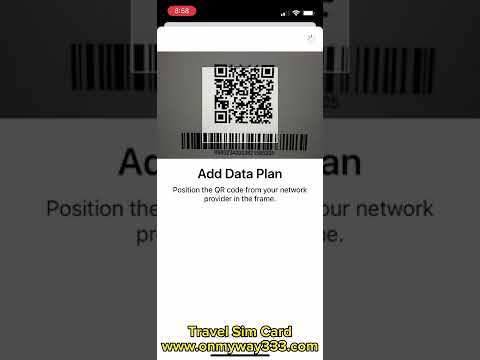
Activating an eSIM begins with a digital profile download, typically triggered by scanning a QR code provided by your carrier. This code contains a unique activation token that your phone’s firmware decodes to initiate a secure connection with the carrier’s provisioning server. After scanning, the device fetches the encrypted profile—which includes your ICCID and authentication keys—and installs it into the embedded SIM’s secure element. The process follows a strict sequence: first, scan or manually enter the activation code; second, confirm the carrier profile on-screen; third, wait for the profile to install; finally, restart or toggle cellular settings to complete registration. Some carriers require a second QR code or a confirmation SMS for multi-step verification, so keep your original email or packaging handy. Once installed, the profile appears as a new cellular plan, ready for switching without physically swapping chips.
What Happens to Your Old Number When You Switch?
When you switch to an eSIM, your old number doesn’t vanish automatically; it remains tied to your previous carrier’s profile until you actively delete it or the transfer completes. During activation, the new eSIM profile coexists with the old one, letting you receive calls and texts on both temporarily. However, once you confirm the port or install BazTel the new digital profile, the old eSIM’s connection is deactivated, though the number itself can be retained if you keep the physical SIM or re-download the profile later. Your old number is only permanently released when you request a full cancellation. Dual-active eSIM devices let you keep both numbers live, but you must manually disable the old profile to avoid roaming or billing overlaps.
- Old number stays active until you delete the eSIM profile or port completes.
- You can keep both numbers if your phone supports dual eSIM standby.
- Deleting the old profile does not erase the number from carrier records—only a formal cancellation does.
Step-by-Step Guide to Setting Up a New Digital Profile on Your Device

To set up a new digital profile via an eSIM card, first ensure your device is connected to Wi-Fi and check that it is carrier-unlocked. Navigate to **Settings** > **Cellular** (or “Mobile Data”) and tap “Add Cellular Plan.” Scan the QR code provided by your carrier, or enter the activation code manually if prompted. After the profile downloads, label it (e.g., “Travel” or “Work”) and choose a default line for voice, SMS, and data. If you have multiple plans, assign a primary line for iMessage and FaceTime. Finally, enable “Allow Cellular Data Switching” to avoid connectivity gaps.
Activate the new profile only after finishing the setup wizard, then restart your device to finalize the eSIM activation.
Verify signal strength and send a test message to confirm the profile is live.

Checking Device Compatibility Before You Buy a Plan
Before purchasing any eSIM plan, verify that your device is unlocked and supports eSIM functionality, as not all phones, tablets, or smartwatches include the required hardware. Check your device’s settings menu for “Add eSIM” or “Cellular Plan” options, or consult the manufacturer’s official spec sheet for eSIM compatibility. Additionally, confirm that your device is not carrier-locked, since a locked device will reject third-party eSIM profiles. Finally, review the plan provider’s list of supported devices, as some carriers restrict certain models or firmware versions. Skipping this step can lead to wasted money and setup frustrations, forcing you to troubleshoot after purchase.
Always confirm eSIM hardware support, unlock status, and carrier device lists before buying any plan.
Adding a Second Line for Work or Travel Without a New Tray
Adding a second line for work or travel becomes effortless because your eSIM eliminates the physical SIM tray entirely. Instead of hunting for a paperclip to pop out a drawer, you simply scan a QR code or download a carrier profile directly in your device settings. This means you can immediately assign the new line to handle business calls, while your primary number remains untouched for personal use. When traveling, you can purchase a local data plan from an airport Wi-Fi hotspot and activate it within minutes, skipping the wait for a retail store. Managing dual numbers without a physical tray also lets you switch default lines per contact or schedule, so you never juggle hardware while adapting to changing connectivity needs.
Managing Multiple Profiles: Switching Between Carriers in Seconds
Once your eSIM profiles are installed, switching between carriers takes only seconds. Open your device’s cellular settings, where all active profiles are listed, and tap the one you want to use as your default line. There is no need to remove or reinsert a physical SIM, and you can keep multiple profiles—such as a work number and a travel plan—saved simultaneously. For Apple devices, go to Settings > Cellular and select “Default Voice Line” or tap a profile to activate it. On Android, navigate to Network & Internet > SIMs and toggle the desired profile. Because only one profile transmits data at a time, your device automatically deactivates the previous one, so calls and messages route correctly. This makes switching between carriers in seconds ideal for frequent travelers who need local data without changing phones. You can also rename profiles (e.g., “USA Trip”) for instant recognition.
Manage multiple eSIM profiles in your device settings; tap any line to activate it instantly, keeping all carriers stored for immediate switching.
What Are the Real Benefits of Using an Embedded Mobile Profile?
The real benefits of an embedded mobile profile hinge on how an eSIM card replaces physical SIM handling with pure digital convenience. You gain instant carrier switching without hunting for a tiny plastic chip or using a SIM ejector tool, which is invaluable when traveling. An embedded profile allows you to store multiple operator plans simultaneously, letting you keep your primary number active while adding a local data plan for connectivity. This setup also reduces device wear and tear, as there’s no fragile SIM tray to open repeatedly. Since profiles are downloaded securely over the air, activation happens in minutes, not days. Ultimately, embedded mobile profile management delivers unmatched flexibility, while eSIM card benefits translate into a slimmer, more durable device and a streamlined user experience that adapts to your lifestyle.
Instant Connectivity When You Land Abroad—No Roaming Shops Needed
The most immediate benefit of an eSIM is instant connectivity when you land abroad, eliminating the frantic search for a local roaming shop. Instead of queuing at airport kiosks or hunting for a physical SIM vendor, your device activates a pre-downloaded profile the moment the plane touches down. This means you can immediately call a ride, check maps, or message family, without relying on airport Wi-Fi or carrying a separate phone. There is no need to negotiate plans in a foreign language, compare prepaid cards, or worry about store opening hours. Your data plan is already active and ready, turning arrival into a seamless transition rather than a logistical hurdle.
Q: Do I need to visit any local shop to activate my eSIM plan?
No, you install the eSIM profile before you depart, and it automatically connects to the local network upon arrival.
Keeping Your Primary Number While Adding a Local Data Plan
When you travel, your home SIM can stay active for calls and texts while you add a local data plan via eSIM. This means you avoid swapping physical cards or losing access to banking apps tied to your primary number. You simply toggle the data line in settings, keeping your usual contact reachable for emergencies or two-factor authentication. The local plan handles browsing, maps, and streaming without roaming fees, so your primary line isn’t drained by background data. It’s a practical way to stay connected without sacrificing your existing number’s convenience. Keeping your primary number active alongside a local data eSIM gives you the best of both worlds—familiar communication and affordable connectivity.
Keep your home number live for calls and OTPs, while a local eSIM handles your data needs—no card swaps, no roaming bills.
Enhanced Security: What Happens If Your Phone Gets Lost or Stolen
If your phone goes missing, a physical SIM is a liability—thieves can pop it out and drop it into another device to hijack your number. With an eSIM, that trick fails because the profile is welded to your phone’s hardware. You can remotely wipe the device or ask your carrier to kill the embedded profile instantly, so your calls, texts, and bank codes stay locked to you. No SIM card to pull means stolen phones become useless bricks for thieves, and your identity stays protected while you sort out a replacement.
Lost or stolen phone? Your eSIM stays put—remote disable keeps your number and data safe from SIM-swap attacks.
Choosing the Right Digital SIM Plan and Troubleshooting Common Issues
Choosing the right eSIM plan starts with auditing your actual data habits—estimate your weekly consumption rather than opting for the largest package, and prioritize providers offering flexible top-ups for unexpected overages. When evaluating options, confirm the plan supports your device’s IMEI and that coverage matches your primary travel or work zones, not just the provider’s advertised map. For troubleshooting, if activation fails, first toggle airplane mode and re-scan the QR code; a persistent „no service“ error usually means the eSIM profile wasn’t fully downloaded, so delete and reinstall it in your device’s cellular settings. If data slows to a crawl, manually select a different network operator in the carrier settings—this often forces a stronger connection. Remember that roaming profiles sometimes require a reboot after installation, a minor step that cures many silent failures. Finally, always screenshot your eSIM’s activation code before leaving Wi‑Fi, and set a data‑usage alert to avoid bill shock. This practical sequence turns a confusing purchase into a reliable, instant connection.
Data-Only vs. Full Plans: Which One Fits Your Usage Habits?
Choosing between a data-only eSIM and a full plan (with a local voice number) hinges on how you actually use your phone abroad. If your routine revolves around messaging apps, maps, and browsing—and you rarely make traditional calls—a data-only eSIM is the most cost-efficient fit, as it strips away voice minutes you won’t use. Full plans only justify their higher price if you need a local number for two-factor authentication codes, booking confirmations, or calling businesses that block VoIP. For short trips under two weeks where you rely on Wi-Fi for calls, data-only wins; for a month-long remote work stint, full coverage prevents emergency gaps. Q: Is a data-only eSIM risky for emergency calls? Yes—most data-only eSIMs lack native dialing, so you must rely on Wi-Fi calling or an offline VoIP app, whereas a full plan includes a working number for traditional SOS calls.
Why Isn’t My New Profile Connecting? Fixing Activation and Signal Problems
If your new eSIM profile won’t connect, the issue is usually incomplete activation, not a network fault. First, confirm the profile is downloaded and set as the active line in your device’s cellular settings; a common mistake is leaving the old physical SIM as the default data line. Then, toggle airplane mode for 30 seconds to force a re-registration with the carrier. Manual APN configuration is often the missing step for data connectivity—check your provider’s setup guide and input the exact APN, username, and password if fields appear blank. Signal problems may stem from a mismatched carrier profile, so update your device’s carrier settings via a reboot. If nothing helps, delete the profile and re-scan the QR code, ensuring stable internet during download. Roaming must be switched on even for domestic plans if the eSIM uses a remote carrier’s local partner network.
Q: Why won’t my new eSIM profile connect after scanning?
A: Likely the profile isn’t marked “Enable” in settings, or the APN is unset. Also, verify the plan’s activation date—some providers delay start until a specific time or after first network registration. Contact support only after retrying with a fresh QR code and a device restart, since most fixes are local.
Tips for Storing Backup Profiles and Avoiding Accidental Deletion
To safeguard your connectivity, always store backup profiles in a secure cloud account or password manager rather than only on the device. **Avoid accidental deletion** by renaming each eSIM profile clearly (e.g., “Travel-UK-O2”) and locking profile settings within your phone’s SIM menu. Before removing a profile, verify it is not the active data line, then export the QR code or activation code to a dedicated folder. Profile redundancy ensures instant recovery if you reset your device or lose your primary SIM.
- Keep a printed copy of the QR code in a wallet or travel pouch.
- Disable automatic profile removal in carrier settings if available.
- Test your backup by restoring it on another device before traveling.
